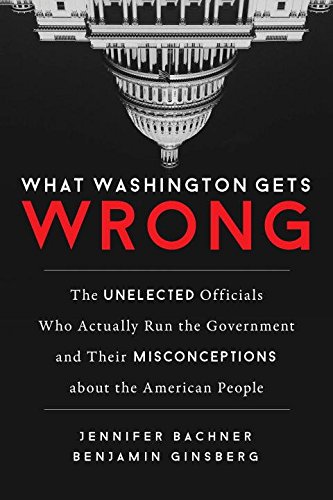
Fair enough. But respect, as the saying goes, is a two-way street, and Americans have a long and ignoble tradition of denigrating expertise. Today, nearly 40 percent of adults think there isn’t evidence for global warming. Skeptical parents won’t vaccinate their children, endangering their communities with breakouts of preventable diseases like measles. So maybe we can make a deal. If we want experts to listen to our opinions, we might also do them the courtesy of sometimes listening to their opinions, too.
The imbalance of power is exactly what drives the contempt on one side and resentment on the other. Again, nobody is calling for government by referendum. But we don’t have to “do the courtesy” of listening to the subject-matter experts. They have, by virtue of the administrative state, the power to compel us not only to listen, but also to obey. They have the power to make life more complicated, more expensive, more energy-draining, more trap-ridden. And they do it with our own money.
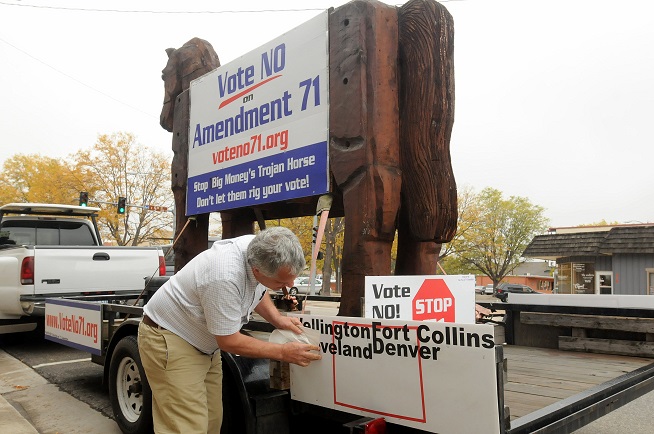 This year, one of the more controversial ballot measures is a proposed State Constitutional amendment to limit State Constitutional Amendments. It has some superficial appeal: In some years past, a fair number of amendments have passed, and the State Constitution is supposed to be a foundational document, not just a compilation of what some people in a given year think are cool ideas. This year, a number of out-of-state environmental groups tried and failed to get anti-energy initiatives on the ballot, and Amendment 71 is in large part a response by the energy industry to that effort.
 Maybe they are.


